Skip to content
logo logo
  • Home
  • Why Us
  • About Us
  • Instructions
  • Blog
  • Contact
  • Online Booking

October 2026 - Experiential Meditations

  • Home
  • 2026
  • October
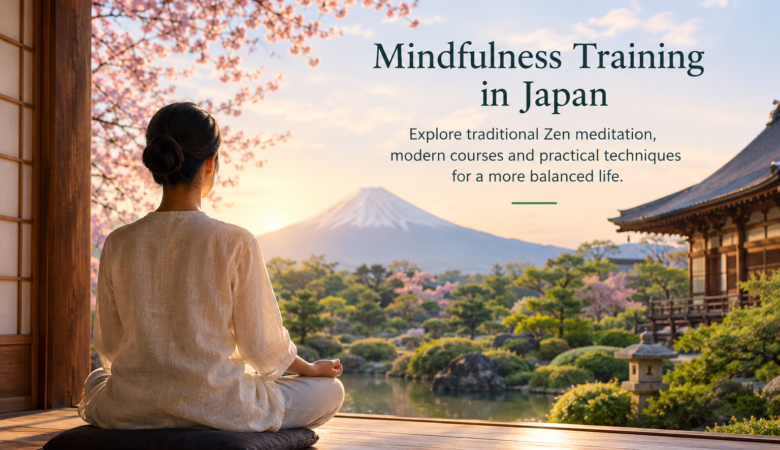
Mindfulness Training in Japan: A Complete Guide
By Experiential Meditations October 29, 2026October 30, 2026

Mindfulness Training in Japan: A Complete Guide to Finding Balance, Awareness and Inner Peace Modern life often moves faster than people can comfortably manage. Professional responsibilities, personal commitments, digital distractions and constant expectations can make it difficult to slow down and pay attention to the present moment. Even when the day finally becomes quiet, the mind may continue thinking about unfinished tasks, future plans and past experiences. This is one reason why mindfulness has become an important subject for people looking to develop a healthier relationship with their thoughts, emotions and everyday experiences. Japan offers a particularly interesting environment for exploring mindfulness. The country has a long association with Zen Buddhism, meditation, traditional arts and practices that encourage attention to the present moment. From quiet temple surroundings to carefully performed tea ceremonies, many aspects of Japanese culture provide opportunities to understand the value of patience, simplicity and awareness. Today, Mindfulness Training in Japan brings together traditional meditation influences and contemporary approaches to mental wellness. People are increasingly interested in learning practical mindfulness techniques that can be incorporated into their working lives, personal routines and relationships. Whether someone is completely new to meditation or wants to develop a deeper understanding of mindful living, exploring mindfulness can be a meaningful step towards greater self-awareness. This guide explains what mindfulness training involves, how Japanese traditions connect with mindful living, which learning approaches are available, and how beginners can start developing a consistent mindfulness routine. Understanding Mindfulness and Its Importance in Everyday Life Mindfulness is the ability to pay attention to what is happening in the present moment with openness and without immediately judging the experience. It involves noticing thoughts, feelings, physical sensations and surroundings rather than automatically reacting to everything that happens. For example, consider someone working on an important project. Their attention may move between emails, deadlines, personal worries and notifications. Although they are physically sitting at their desk, their mind is constantly switching between different concerns. A mindful approach encourages them to recognise these distractions, return their attention to the task and respond more thoughtfully. Mindfulness does not require a person to stop thinking or remove every uncomfortable emotion. Instead, it encourages a different way of relating to everyday experiences. Thoughts can be noticed without treating every thought as a fact. Emotions can be acknowledged without allowing them to control every decision. This understanding makes mindfulness useful beyond formal meditation sessions. It can influence how people communicate, work, eat, study, manage responsibilities and respond to challenging situations. With Mindfulness Training in Japan, learners can explore these principles through meditation, breathing awareness, guided exercises and other approaches influenced by both traditional and contemporary mindfulness education. The Connection Between Japanese Culture and Mindfulness Japan has a rich contemplative heritage that provides an interesting background for understanding mindfulness. Zen Buddhism, traditional meditation, Japanese gardens, tea ceremonies and certain forms of artistic expression have long emphasised attention, discipline and awareness. It is important to understand that these traditions are not all identical to modern mindfulness programmes. However, they share themes that can help people appreciate the importance of being attentive to the present moment. Zen Buddhism and the Practice of Zazen Zen Buddhism is one of the best-known spiritual traditions associated with Japan. An important element of Zen is Zazen, which translates to seated meditation. It involves sitting with an attentive posture and observing the mind without becoming unnecessarily involved in every thought. During Zazen, practitioners generally maintain an upright sitting position and allow their breathing to remain natural. When thoughts arise, the intention is not to fight them or force the mind to become completely empty. Instead, attention is gently maintained through the meditation process. Zazen provides an opportunity to understand how the mind behaves when external distractions are reduced. It also encourages patience, consistency and a willingness to observe experiences as they arise. The practice has historical and philosophical connections with Zen Buddhism, so it should not automatically be treated as identical to secular mindfulness programmes. Nevertheless, people interested in mindfulness often find Japanese Zen meditation a valuable tradition to explore. The Japanese Tea Ceremony and Mindful Attention The Japanese tea ceremony, commonly known as Chanoyu or Sado, offers another example of attention expressed through everyday activity. Preparing and serving tea involves a series of deliberate movements. The arrangement of utensils, preparation of the tea, movements of the host and interaction between participants all receive careful attention. Rather than rushing through the process, participants are encouraged to appreciate each stage. This creates an opportunity to experience an ordinary activity with greater awareness. The broader lesson is that mindfulness does not always need to involve sitting quietly with closed eyes. It can also be developed through simple activities when people give their attention to what they are doing. Japanese Gardens and the Value of Stillness Traditional Japanese gardens are often designed around simplicity, balance and a thoughtful relationship with nature. Carefully arranged stones, plants, water and open spaces create surroundings that encourage quiet observation. Spending time in a peaceful garden can provide an opportunity to step away from constant stimulation. Observing the movement of leaves, changes in light or the sound of water can help people become more attentive to their surroundings. These experiences demonstrate how the environment can support mindful awareness without requiring complicated techniques. Why Are People Interested in Mindfulness Training in Japan? Interest in mindfulness is connected with changing lifestyles and the growing need for practical ways to manage everyday pressures. People across different age groups and professional backgrounds are exploring meditation as a way to become more aware of their mental and emotional experiences. Japan’s combination of traditional meditation influences and contemporary mindfulness education makes it an interesting place to explore these approaches. Managing Everyday Stress Work responsibilities, financial concerns, family commitments and social expectations can create ongoing pressure. When people become caught up in stressful situations, they may find it difficult to think clearly or respond calmly. Mindfulness encourages individuals to notice their reactions before responding automatically. Breathing
Read More
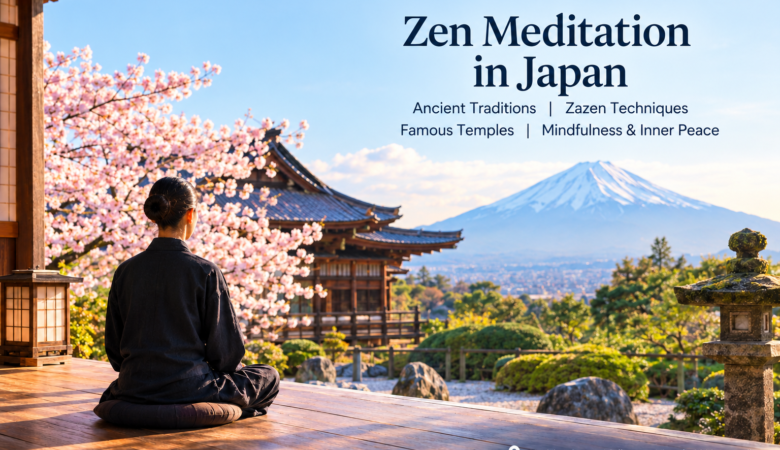
Zen Meditation in Japan: A Complete Guide
By Experiential Meditations October 22, 2026October 30, 2026

Zen Meditation in Japan: Discover the Traditional Art of Inner Peace Japan is known for its beautiful temples, peaceful gardens, traditional tea ceremonies and deep connection with mindfulness. Among its many cultural traditions, Zen meditation holds a special place. For centuries, people have turned to Zen meditation to develop self-awareness, understand their thoughts and experience a deeper sense of inner peace. Zen Meditation in Japan is more than simply sitting quietly with closed eyes. It is a traditional approach to understanding the mind, observing the present moment and developing awareness through everyday activities. Its philosophy encourages people to slow down, let go of unnecessary distractions and appreciate life as it unfolds. Whether you are interested in Japanese culture, exploring meditation for the first time or looking for ways to manage everyday stress, learning about Zen can offer a valuable perspective. From the historic temples of Kyoto to the peaceful monasteries of rural Japan, this ancient tradition continues to attract people from different backgrounds. In this guide, we will explore the history of Zen meditation, its traditional techniques, famous places to experience it and how beginners can introduce Zen principles into their everyday lives. What Is Zen Meditation? Zen meditation is a traditional form of Buddhist meditation that focuses on awareness, concentration and direct experience of the present moment. It is closely connected with Zen Buddhism, a school of Buddhism that places considerable importance on meditation and personal understanding. The Japanese word commonly associated with Zen meditation is Zazen, which translates to seated meditation. During Zazen, practitioners sit in a stable and comfortable position, maintain an attentive posture and observe their breathing and thoughts without becoming distracted by them. Unlike some meditation techniques that involve repeating a particular phrase or visualising an image, traditional Zazen generally encourages practitioners to remain present without trying to control every thought. The objective is not to force the mind to become completely empty. Instead, practitioners learn to recognise thoughts as they arise and allow them to pass naturally. Zen meditation also extends beyond the meditation cushion. It encourages mindfulness while walking, eating, working, preparing tea and interacting with others. This connection between meditation and everyday living is one of the most interesting aspects of Japanese Zen philosophy. History of Zen Meditation in Japan The history of Zen meditation in Japan is closely connected with the development of Buddhism across Asia. Buddhism originated in India before spreading to China, Korea and other parts of Asia. Zen developed from the Chinese Chan Buddhist tradition and became established in Japan during the late twelfth and thirteenth centuries. Two important figures played significant roles in introducing and developing Japanese Zen. 1. Eisai and the Development of Rinzai Zen Eisai was a Japanese Buddhist monk who travelled to China and returned with teachings associated with Rinzai Zen. His teachings helped establish Zen as an important Buddhist tradition in Japan. Rinzai Zen became particularly influential among sections of the Japanese warrior class and later developed a strong presence in Japanese culture. One of its distinctive features is the use of Koans. These are questions, statements or stories designed to encourage practitioners to move beyond ordinary logical thinking and develop deeper understanding. 2. Dogen and the Development of Soto Zen Another important figure was Dogen, who introduced and developed the Soto Zen tradition in Japan. Dogen placed particular importance on a meditation approach known as Shikantaza, often translated as just sitting. Rather than concentrating on finding an answer to a particular question, practitioners simply sit with awareness and openness. His teachings continue to influence Soto Zen communities and meditation traditions today. These historical developments helped establish Zen meditation as an important part of Japanese Buddhist life. Its influence can also be seen in Japanese gardens, calligraphy, traditional arts and everyday cultural practices. Different Types of Zen Meditation in Japan Japanese Zen Buddhism includes different schools and approaches. Although they share important principles, their meditation methods and teaching traditions can vary. 1. Zazen Meditation Zazen is the best-known form of Japanese Zen meditation. It involves sitting quietly while maintaining an upright posture and developing awareness of the present moment. Practitioners generally use a meditation cushion called a Zafu. Depending on their flexibility and experience, they may sit in a full-lotus, half-lotus or comfortable cross-legged position. The eyes are usually kept slightly open, and attention is directed towards posture, breathing and awareness. Zazen is not about achieving a particular experience. It is about developing a steady relationship with the present moment. 2. Shikantaza Meditation Shikantaza is closely associated with the Soto Zen school. It is commonly described as just sitting. Practitioners do not focus on repeating a mantra, solving a Koan or controlling their thoughts. Instead, they maintain an alert and relaxed awareness while allowing experiences to arise naturally. This approach can be challenging for beginners because there is no particular object to concentrate on. However, regular guidance and consistent practice can help people become more comfortable with it. 3. Koan Meditation Koan meditation is particularly associated with Rinzai Zen. A Koan is a traditional question, statement or story that cannot always be understood through ordinary reasoning. One famous example asks whether a dog has Buddha-nature. Under the guidance of an experienced Zen teacher, practitioners contemplate these questions as part of their spiritual training. Koan study is not simply an intellectual exercise. It forms part of a structured tradition of meditation and personal investigation. 4. Kinhin (Walking Meditation) Zen meditation is not limited to sitting Kinhin is a traditional form of slow walking meditation often practised between periods of Zazen. Practitioners walk slowly while maintaining awareness of their posture, breathing and movements. It provides an opportunity to continue meditation while moving and helps demonstrate that mindfulness does not need to stop when a sitting session ends. How to Practise Zen Meditation: A Beginner’s Guide You do not need to travel to Japan or join a monastery to begin learning Zen meditation. Many of its basic principles can be explored at home with patience

Read More
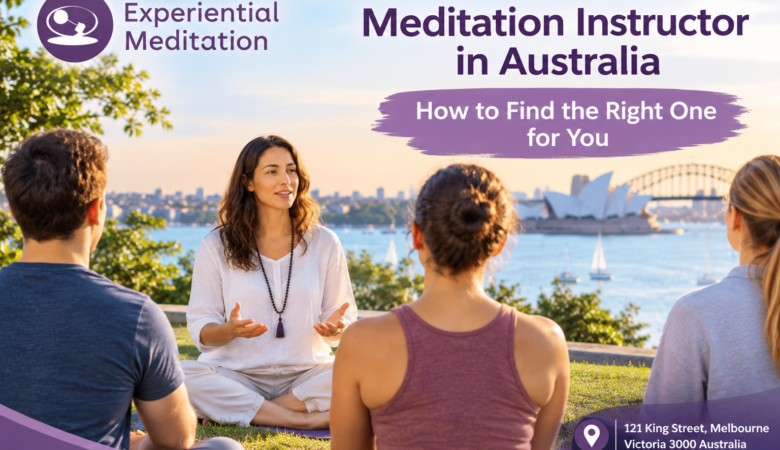
Meditation Instructor in Australia: How to Pick the Best One
By Experiential Meditations October 3, 2026October 3, 2026

Meditation Instructor in Australia: How to Find the Right One for You Most people who try meditation on their own start the same way. They download an app, sit on the couch for five minutes, and within a week they’ve either forgotten about it or decided they’re “just not good at it.” If that sounds familiar, you’re in good company. Meditation looks simple from the outside. You sit, you breathe, you stay calm. In practice, your mind wanders constantly, your back aches, and you start wondering whether you’re doing it wrong. This is exactly where a good meditation instructor in Australia can change things. An instructor doesn’t make meditation magical. They make it clearer. They answer the questions you didn’t know you had, notice the small habits that keep you stuck, and give you a practice that actually fits your life instead of someone else’s. In this guide, I’ll walk you through what a meditation instructor really does, how to tell a good one from an average one, what you can expect to pay, and how to find the right person whether you live in Sydney, Perth, Hobart or a small town three hours from the nearest city. By the end, you’ll know exactly what to look for. What Does a Meditation Instructor Actually Do? Let’s clear up the picture first, because it’s often a bit off. A meditation instructor, sometimes called a meditation teacher, is a trained person who teaches you how to meditate and helps you build a regular practice. They’re not a guru, they’re not a therapist (unless they also happen to be qualified as one), and they’re not there to tell you what to believe. Here’s what a good instructor typically does: They teach technique- Breath awareness, body scans, loving-kindness, mantra, visualisation, walking meditation. There are dozens of approaches, and an instructor shows you how each one works and which suits you. They give you feedback- This is the big one. An app can’t see you slouching, gripping your jaw, or forcing your breath. A person can. Small corrections early on save you months of frustration. They answer real questions- “My mind won’t stop. Is that normal?” (Yes.) “I fell asleep. Did I fail?” (No.) “I feel more anxious when I sit still.” (Worth talking through, and a good instructor will take it seriously.) They keep you accountable- It’s much harder to skip a session when someone’s expecting you, even if that someone is on a video call. They create a space- Many people find that meditating in a group, or with a teacher present, helps them settle faster than they ever do alone at home. If you’ve already read our guide to mindfulness training in Australia, you’ll know mindfulness is one style of practice. A meditation instructor often teaches mindfulness alongside other methods, so you get a broader toolkit. Why Work With a Meditation Instructor Instead of Going Solo? Fair question. Plenty of people do learn on their own with books, apps and YouTube, and that’s perfectly valid. But there are good reasons to consider one-on-one or group guidance. You get a proper foundation Self-taught meditators often pick up odd habits. Some try too hard to “empty” their minds, which is not the goal. Others treat it like a performance, judging every session as good or bad. An instructor sets the foundation right from the start: meditation isn’t about stopping thoughts, it’s about changing how you relate to them. You save time Think about how many hours you could spend watching videos, reading conflicting advice and trying techniques that don’t suit you. A teacher shortens that path. Within a few sessions you’ve usually got a simple routine you can actually stick to. You have someone to troubleshoot with Every meditator hits a wall at some point. Restlessness, boredom, sleepiness, strong emotions that show up uninvited. Having someone experienced to talk to makes those moments far less discouraging. The practice becomes personal A good instructor adapts the practice to you. A busy parent in Brisbane needs something different from a shift worker in Newcastle or a retiree on the Mornington Peninsula. Generic apps can’t do that the way a person can. It’s easier to stay consistent Honestly, this might be the biggest benefit. Consistency matters more than session length in meditation, and a regular class or weekly check-in does a lot of the heavy lifting. Types of Meditation Instructors You’ll Find in Australia Not all instructors teach the same way. Knowing the main types helps you narrow things down fast. Mindfulness-based instructors These teachers focus on present-moment awareness. Many teach structured courses over six to eight weeks, and they’re popular with people dealing with everyday stress, busy minds or workplace pressure. If you’re curious about this route, our mindfulness training guide goes deeper. Traditional and spiritual teachers Some instructors teach within a specific tradition, such as Buddhist, Vedic, Zen or yogic practices. Their approach often includes philosophy, ethics and longer retreats. If you’re drawn to a particular tradition, this can be deeply rewarding. Secular and wellbeing-focused teachers Plenty of Australian instructors teach meditation without any religious framing at all. It’s presented as a practical skill for focus, calm and better sleep. This style suits people who want results without the spiritual side. Yoga and breathwork teachers who include meditation Many yoga studios offer meditation classes, often combined with breathing exercises. It’s a gentle entry point if you already enjoy yoga. Corporate and workplace meditation facilitators Some instructors work mainly with businesses, running lunchtime sessions or short workshops for teams. If your workplace offers this, it’s a low-pressure way to try it. Online-only instructors Since 2020, online teaching has become completely normal. Live video classes, recorded programs and one-on-one video sessions all fall into this group, and we’ll talk about them more below. How to Choose the Right Meditation Instructor in Australia This is the part most people rush, and then wonder why the fit feels off. Take your time here. A few honest questions will

Read More

Recent Posts

  • Chakra Meditation in Japan: A Complete Guide
  • Mindfulness Training in Japan: A Complete Guide
  • Zen Meditation in Japan: A Complete Guide
  • Meditation Instructor in Australia: How to Pick the Best One
  • Chakra Meditation Guide Australia | Balance Your Energy Naturally

Archives

  • November 2026
  • October 2026
  • September 2026
  • August 2026

Categories

  • Meditation

About Us

At Experiential Meditation, we believe that true peace comes from the present moment. Our mission is to offer high-quality yoga and meditation sessions to individuals seeking mental clarity.

Quick Links

  • Home
  • About Us
  • Why us
  • Contact Us
  • Terms And Conditions
  • Side Effects

Contact Info

  • Info@experientialmeditations.com
  • help@experientialmeditations.com
  • 21 King Street Melbourne, 3000, Australia
Facebook-f Twitter Linkedin-in
Copyright © 2026 Experiential Meditations | Developed by Webvoom Pvt. Ltd.

WhatsApp us