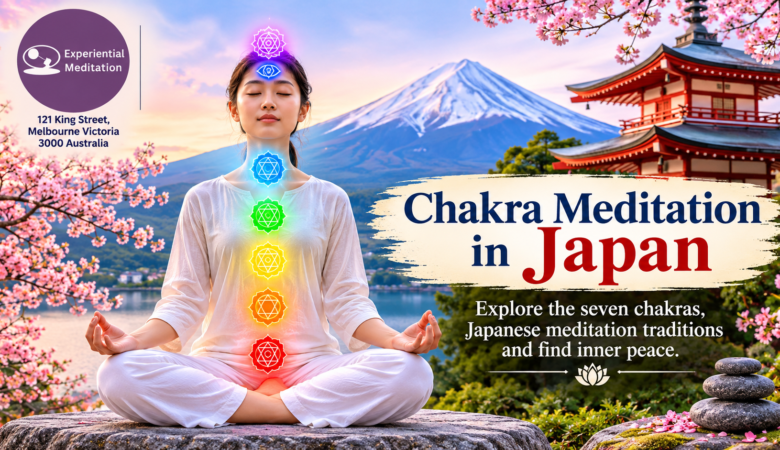
Chakra Meditation in Japan: A Complete Guide
Chakra Meditation in Japan: Discover Energy Balance and Inner Peace In today’s fast-moving world, finding time for inner peace and emotional balance has become increasingly important. People are exploring different meditation techniques to understand themselves better, manage daily stress and develop a healthier connection between the mind and body. Among these techniques, chakra meditation has gained attention for its focus on energy awareness, self-reflection and personal growth. Chakra Meditation in Japan offers an interesting way to explore this ancient Indian meditation concept alongside Japan’s rich spiritual and meditation culture. Japan is widely recognised for its Zen traditions, peaceful temples, mindful living and centuries-old Buddhist practices. Although chakra meditation did not originate in Japan, its principles can be explored alongside Japanese approaches to meditation and self-awareness. From traditional Buddhist temples to modern wellness centres, Japan provides an inspiring environment for people interested in meditation and spiritual development. Whether you are a beginner or someone who already meditates regularly, learning about chakra meditation can introduce you to a different approach to understanding your inner world. In this guide, we will explore the meaning of chakra meditation, its connection with Japanese spiritual traditions, the seven chakras, meditation techniques and practical ways to incorporate this practice into everyday life. What Is Chakra Meditation? Chakra meditation is a meditation technique based on the traditional concept of seven energy centres within the human body. The word “chakra” comes from Sanskrit and means “wheel”. In traditional Indian spiritual systems, chakras are understood as centres associated with different aspects of physical awareness, emotions and spiritual development. Each chakra is traditionally connected with a particular location in the body, colour, symbolic meaning and area of personal experience. The purpose of chakra meditation is to develop awareness of these energy centres through breathing, visualisation, concentration and relaxation. Practitioners often focus on one chakra at a time, using meditation to explore their emotional experiences and develop a greater sense of balance. Unlike ordinary relaxation techniques, chakra meditation includes a symbolic and spiritual understanding of the relationship between the mind and body. Many people explore this practice to develop self-awareness, improve concentration and create a peaceful daily routine. Understanding Chakra Meditation in Japan Japan has a long history of meditation, spiritual exploration and contemplative traditions. Zen Buddhism, Shingon Buddhism and Tendai Buddhism have all contributed to the country’s diverse meditation culture. However, it is important to understand that the traditional seven-chakra system comes from Indian religious and spiritual traditions rather than Japanese Zen Buddhism. The connection becomes interesting when we explore how different cultures approach inner awareness and meditation. Japanese Zen meditation, particularly Zazen, focuses on sitting quietly, observing thoughts and returning attention to the present moment. Chakra meditation, on the other hand, often involves focusing attention on specific energy centres through breathing and visualisation. Japanese esoteric Buddhist traditions, particularly Shingon and Tendai, also have historical connections with Indian tantric Buddhist teachings transmitted through China. These traditions use practices such as mantras, symbolic hand gestures and visualisation. However, they should not automatically be treated as identical to the modern seven-chakra meditation system. This cultural connection makes Chakra Meditation in Japan an interesting subject for people who want to explore meditation from different spiritual perspectives. By understanding both traditions, practitioners can appreciate their individual histories while discovering techniques that support personal reflection and mindfulness. The Seven Chakras and Their Meanings The seven-chakra system is one of the most commonly discussed frameworks in contemporary chakra meditation. Each chakra is associated with a particular area of the body and a symbolic aspect of human experience. 1. Root Chakra (Muladhara) The root chakra is traditionally located at the base of the spine. It represents stability, security, grounding and a sense of belonging. In everyday life, people may associate this chakra with feeling safe, developing confidence and maintaining a stable foundation. During root chakra meditation, practitioners often visualise a red light around the base of the spine. Slow breathing and awareness of the body’s connection with the ground can help create a calming meditation experience. 2. Sacral Chakra (Svadhisthana) The sacral chakra is traditionally associated with the lower abdomen. It represents creativity, emotional awareness, pleasure and personal expression. This chakra encourages people to understand their emotions and develop a healthier relationship with their feelings. Meditation often involves visualising an orange light around the lower abdomen while breathing slowly and comfortably. 3. Solar Plexus Chakra (Manipura) Located around the upper abdomen, the solar plexus chakra is associated with confidence, determination, motivation and personal power. People who explore this chakra often focus on developing self-belief and understanding their personal strengths. Yellow visualisation is commonly used during meditation. Practitioners may also reflect on their goals, decisions and personal development. 4. Heart Chakra (Anahata) The heart chakra is associated with love, compassion, kindness and emotional connection. It is traditionally located in the centre of the chest. Heart chakra meditation encourages reflection on relationships, forgiveness, gratitude and compassion towards oneself and others. Many practitioners visualise a green light around the heart area while breathing naturally. 5. Throat Chakra (Vishuddha) The throat chakra represents communication, honesty and self-expression. It encourages people to reflect on how they communicate with others and express their thoughts. Blue visualisation is commonly associated with this chakra. Meditation may involve focusing on breathing, speaking honestly and becoming more aware of personal communication habits. 6. Third Eye Chakra (Ajna) The third eye chakra is traditionally located between the eyebrows. It is associated with intuition, insight, awareness and clarity of thought. During meditation, practitioners may gently focus their attention on the space between the eyebrows while visualising an indigo light. The purpose is to develop concentration and self-reflection rather than expecting supernatural abilities. 7. Crown Chakra (Sahasrara) The crown chakra is traditionally associated with the top of the head. It represents spiritual awareness, consciousness and a sense of connection with something greater than oneself. Practitioners often use violet or white visualisation when focusing on this chakra. Meditation may involve sitting quietly, observing thoughts and reflecting on personal values and spiritual