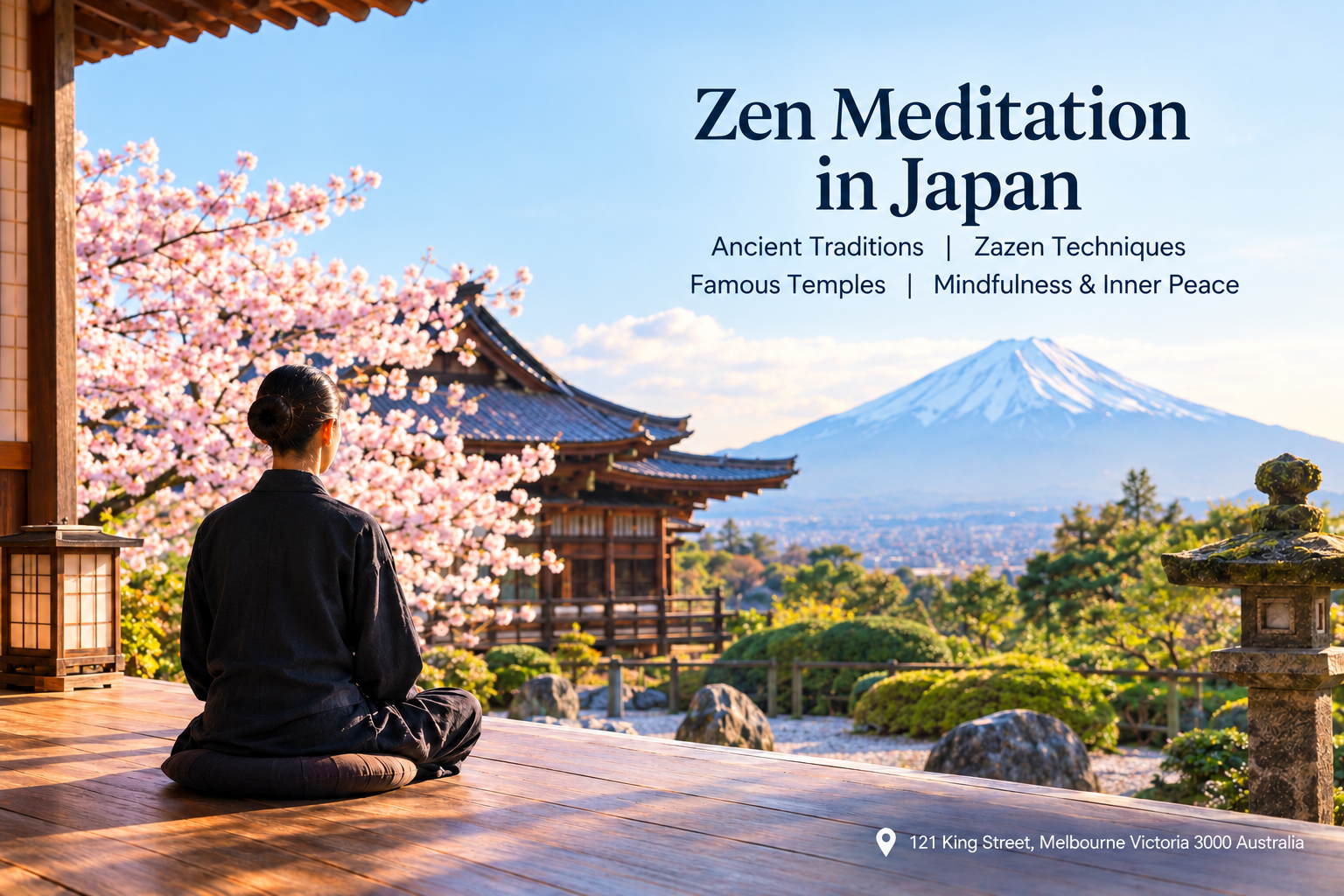
Zen Meditation in Japan: A Complete Guide
Zen Meditation in Japan: Discover the Traditional Art of Inner Peace
Japan is known for its beautiful temples, peaceful gardens, traditional tea ceremonies and deep connection with mindfulness. Among its many cultural traditions, Zen meditation holds a special place. For centuries, people have turned to Zen meditation to develop self-awareness, understand their thoughts and experience a deeper sense of inner peace.
Zen Meditation in Japan is more than simply sitting quietly with closed eyes. It is a traditional approach to understanding the mind, observing the present moment and developing awareness through everyday activities. Its philosophy encourages people to slow down, let go of unnecessary distractions and appreciate life as it unfolds.
Whether you are interested in Japanese culture, exploring meditation for the first time or looking for ways to manage everyday stress, learning about Zen can offer a valuable perspective. From the historic temples of Kyoto to the peaceful monasteries of rural Japan, this ancient tradition continues to attract people from different backgrounds.
In this guide, we will explore the history of Zen meditation, its traditional techniques, famous places to experience it and how beginners can introduce Zen principles into their everyday lives.
What Is Zen Meditation?
Zen meditation is a traditional form of Buddhist meditation that focuses on awareness, concentration and direct experience of the present moment. It is closely connected with Zen Buddhism, a school of Buddhism that places considerable importance on meditation and personal understanding.
The Japanese word commonly associated with Zen meditation is Zazen, which translates to seated meditation. During Zazen, practitioners sit in a stable and comfortable position, maintain an attentive posture and observe their breathing and thoughts without becoming distracted by them.
Unlike some meditation techniques that involve repeating a particular phrase or visualising an image, traditional Zazen generally encourages practitioners to remain present without trying to control every thought.
The objective is not to force the mind to become completely empty. Instead, practitioners learn to recognise thoughts as they arise and allow them to pass naturally.
Zen meditation also extends beyond the meditation cushion. It encourages mindfulness while walking, eating, working, preparing tea and interacting with others.
This connection between meditation and everyday living is one of the most interesting aspects of Japanese Zen philosophy.
History of Zen Meditation in Japan
The history of Zen meditation in Japan is closely connected with the development of Buddhism across Asia.
Buddhism originated in India before spreading to China, Korea and other parts of Asia. Zen developed from the Chinese Chan Buddhist tradition and became established in Japan during the late twelfth and thirteenth centuries.
Two important figures played significant roles in introducing and developing Japanese Zen.
1. Eisai and the Development of Rinzai Zen
Eisai was a Japanese Buddhist monk who travelled to China and returned with teachings associated with Rinzai Zen.
His teachings helped establish Zen as an important Buddhist tradition in Japan. Rinzai Zen became particularly influential among sections of the Japanese warrior class and later developed a strong presence in Japanese culture.
One of its distinctive features is the use of Koans. These are questions, statements or stories designed to encourage practitioners to move beyond ordinary logical thinking and develop deeper understanding.
2. Dogen and the Development of Soto Zen
Another important figure was Dogen, who introduced and developed the Soto Zen tradition in Japan.
Dogen placed particular importance on a meditation approach known as Shikantaza, often translated as just sitting.
Rather than concentrating on finding an answer to a particular question, practitioners simply sit with awareness and openness.
His teachings continue to influence Soto Zen communities and meditation traditions today.
These historical developments helped establish Zen meditation as an important part of Japanese Buddhist life. Its influence can also be seen in Japanese gardens, calligraphy, traditional arts and everyday cultural practices.
Different Types of Zen Meditation in Japan
Japanese Zen Buddhism includes different schools and approaches. Although they share important principles, their meditation methods and teaching traditions can vary.
1. Zazen Meditation
Zazen is the best-known form of Japanese Zen meditation. It involves sitting quietly while maintaining an upright posture and developing awareness of the present moment.
Practitioners generally use a meditation cushion called a Zafu. Depending on their flexibility and experience, they may sit in a full-lotus, half-lotus or comfortable cross-legged position.
The eyes are usually kept slightly open, and attention is directed towards posture, breathing and awareness.
Zazen is not about achieving a particular experience. It is about developing a steady relationship with the present moment.
2. Shikantaza Meditation
Shikantaza is closely associated with the Soto Zen school.
It is commonly described as just sitting. Practitioners do not focus on repeating a mantra, solving a Koan or controlling their thoughts.
Instead, they maintain an alert and relaxed awareness while allowing experiences to arise naturally.
This approach can be challenging for beginners because there is no particular object to concentrate on. However, regular guidance and consistent practice can help people become more comfortable with it.
3. Koan Meditation
Koan meditation is particularly associated with Rinzai Zen.
A Koan is a traditional question, statement or story that cannot always be understood through ordinary reasoning.
One famous example asks whether a dog has Buddha-nature.
Under the guidance of an experienced Zen teacher, practitioners contemplate these questions as part of their spiritual training.
Koan study is not simply an intellectual exercise. It forms part of a structured tradition of meditation and personal investigation.
4. Kinhin (Walking Meditation)
Zen meditation is not limited to sitting
Kinhin is a traditional form of slow walking meditation often practised between periods of Zazen.
Practitioners walk slowly while maintaining awareness of their posture, breathing and movements.
It provides an opportunity to continue meditation while moving and helps demonstrate that mindfulness does not need to stop when a sitting session ends.
How to Practise Zen Meditation: A Beginner's Guide
You do not need to travel to Japan or join a monastery to begin learning Zen meditation. Many of its basic principles can be explored at home with patience and consistency.
Here is a simple approach for beginners.
Step 1: Find a Quiet Place
Choose a peaceful location where you can sit without unnecessary interruptions.
It could be a quiet corner of your home, a meditation room or a peaceful outdoor area.
Keep your surroundings simple. You do not need expensive equipment or special decorations to begin.
Step 2: Choose a Comfortable Sitting Position
Traditional Zazen is commonly performed while sitting on a meditation cushion.
However, beginners who find sitting on the floor uncomfortable can use a supportive chair.
Keep your back naturally upright, relax your shoulders and position your hands comfortably in your lap.
The aim is to maintain an alert posture without creating unnecessary physical tension.
Step 3: Pay Attention to Your Breathing
Allow your breathing to happen naturally.
Notice the movement of your abdomen or the sensation of air entering and leaving your nose.
There is no need to force slow breathing or change its natural rhythm.
When your attention moves towards other thoughts, gently return to your awareness of breathing.
Step 4: Observe Your Thoughts
Thoughts will naturally appear during meditation.
You may remember something from the past, think about an upcoming responsibility or become distracted by sounds around you.
Rather than becoming frustrated, recognise these experiences and allow them to pass.
The purpose is not to stop thinking but to develop a different relationship with your thoughts.
Step 5: Begin with Short Sessions
If you are new to meditation, start with five to ten minutes.
Once you feel comfortable, gradually increase the duration.
Consistency is more useful than forcing yourself to meditate for long periods from the beginning.
Step 6: Bring Mindfulness into Everyday Activities
After completing your meditation, try carrying the same awareness into ordinary activities.
Pay attention while preparing breakfast, walking outdoors, drinking tea or completing household responsibilities.
This is an important part of understanding Zen beyond formal sitting meditation.
Famous Places to Experience Zen Meditation in Japan
Japan offers several historic temples and meditation centres where visitors can learn about Zen traditions.
Some locations provide introductory Zazen sessions, while others offer more structured meditation experiences and temple stays.
1. Kyoto: The Heart of Traditional Zen Culture
Kyoto is one of Japan’s most important destinations for experiencing traditional Zen culture.
The city is home to historic Buddhist temples, beautiful gardens and architectural spaces that reflect centuries of Japanese religious and cultural development.
Temples such as Ryoanji, Daitokuji and Myoshinji are associated with the country’s Zen heritage.
Visitors can explore traditional gardens, learn about Buddhist philosophy and, where available, participate in meditation activities.
Kyoto is particularly interesting for people who want to understand how Zen influenced Japanese architecture, art and everyday culture.
2. Eiheiji Temple, Fukui
Eiheiji is one of the most important temples associated with the Soto Zen tradition.
Founded by Dogen in the thirteenth century, it remains an important centre of Zen Buddhist training.
Its peaceful mountain surroundings, traditional architecture and monastic atmosphere make it a significant destination for people interested in Japanese meditation.
Visitors should check the temple’s current visitor arrangements before planning a meditation experience.
3. Kamakura: Ancient Temples and Meditation
Kamakura is another well-known destination for Zen Buddhist heritage.
The area contains several historic temples associated with Japanese Zen, including Engakuji and Kenchoji.
The peaceful temple grounds and traditional surroundings provide an opportunity to explore the history of Zen Buddhism.
Some temples have offered meditation sessions and introductory experiences, although availability and booking requirements can vary.
4. Tokyo: Traditional Meditation in a Modern City
Tokyo may be famous for its busy streets, technology and modern lifestyle, but it also has places where visitors can explore traditional Japanese meditation.
Some temples and meditation centres offer introductory Zazen experiences.
These sessions can be particularly interesting for people who want to experience traditional mindfulness while staying in a modern urban environment.
It is advisable to check the language, schedule and participation requirements before visiting.
Zen Meditation and Japanese Culture
One reason Zen meditation remains so fascinating is its influence on different aspects of Japanese culture.
It is not limited to religious buildings or formal meditation sessions. Its principles have influenced several traditional activities.
Zen Gardens
Japanese Zen gardens are admired for their simplicity, carefully arranged stones, gravel and natural elements.
One famous example is the rock garden at Ryoanji Temple in Kyoto.
These gardens encourage quiet observation and reflection. Their carefully considered arrangements demonstrate how simplicity can create an atmosphere of calm.
Japanese Tea Ceremony
The Japanese tea ceremony is another cultural tradition closely connected with Zen influences.
Preparing and serving tea involves attention to movement, surroundings and the experience of the present moment.
Rather than rushing through the activity, participants focus on each stage of the ceremony.
This emphasis on awareness and simplicity reflects several ideas associated with Zen.
Calligraphy
Japanese calligraphy requires patience, concentration and careful movement.
Each brushstroke requires attention to pressure, direction and balance.
For many practitioners, calligraphy becomes more than an artistic activity. It can also provide an opportunity to develop concentration and mindful awareness.
Mindful Everyday Living
Zen philosophy encourages people to give attention to ordinary activities.
Cleaning a room, preparing food, arranging objects or walking through a garden can all become opportunities to practise awareness.
This idea makes Zen relevant even to people who do not follow a formal Buddhist tradition.
Benefits of Learning Zen Meditation
Zen meditation is traditionally connected with spiritual development and self-understanding. Its practical meditation techniques may also support everyday wellbeing.
Individual experiences differ, and meditation should not be considered a replacement for professional medical or mental health treatment.
Some potential benefits include:
Better Self-Awareness: Regular meditation can help people notice their thoughts, emotional reactions and behavioural patterns more clearly.
Stress Management: Taking time to sit quietly and observe the present moment may help people respond more calmly to everyday pressures.
Improved Concentration: Returning attention to breathing and posture can provide an opportunity to practise sustained attention.
Emotional Awareness: Observing emotions without immediately reacting to them may help people develop a more considered response to challenging situations.
Greater Appreciation of Everyday Life: Zen encourages people to notice simple experiences rather than constantly focusing on the next responsibility.
A More Consistent Daily Routine: Establishing a regular meditation schedule can create a dedicated period for reflection and personal wellbeing.
These benefits are not achieved overnight. They develop through patience, regular practice and realistic expectations.
Zen Meditation in Japan vs Modern Mindfulness Meditation
Zen meditation and modern mindfulness meditation share several important similarities, particularly their emphasis on present-moment awareness.
However, their traditions and approaches are not identical.
Traditional Zen meditation is rooted in Buddhist philosophy and includes particular teachings, practices and teacher-student relationships.
Modern mindfulness meditation is often taught in a secular format and may focus on attention, stress management and emotional wellbeing.
For example, a mindfulness session may involve guided breathing, body awareness or observing thoughts.
Traditional Zazen generally places greater emphasis on sitting posture, awareness and the principles of Zen practice.
Neither approach needs to be viewed as better than the other. The right choice depends on your interests, personal preferences and reasons for exploring meditation.
How to Experience Zen Principles in Modern Life
You do not need to completely change your lifestyle to introduce Zen-inspired mindfulness into your daily routine.
Start with small, realistic changes.
Spend a few minutes sitting quietly before beginning your day. Avoid checking your phone immediately after waking up. Pay attention while eating rather than rushing through meals. Take a short walk without constantly looking at a screen.
You can also create a simple meditation space at home where you can sit comfortably without distractions.
Most importantly, avoid treating meditation as another responsibility that needs to be completed perfectly.
The value of mindfulness comes from developing awareness, not from achieving a particular result every time you sit.
Why Zen Meditation Continues to Attract People Around the World
Modern lifestyles often involve constant communication, professional responsibilities and digital distractions.
Many people find it difficult to spend even a few minutes without checking their phones or thinking about their next task.
This is one reason Zen meditation continues to attract interest beyond Japan.
Its emphasis on simplicity, patience and awareness offers an alternative to the habit of constantly rushing.
People from different backgrounds explore Zen for different reasons. Some are interested in Japanese culture and Buddhist philosophy, while others want to develop concentration, understand their emotions or establish a regular meditation routine.
The traditional teachings remain valuable because they encourage people to pay attention to the quality of their everyday experiences.
How Experiential Meditations Can Support Your Mindfulness Journey
Learning about traditional meditation techniques can be a valuable first step towards developing greater self-awareness.
At Experiential Meditations, the focus is on helping people explore mindfulness and mental wellness through guided online sessions.
You can learn about different approaches to meditation, explore practical techniques and discover ways to introduce mindfulness into your everyday routine.
Whether you are beginning your meditation journey or looking to develop a more consistent approach to personal wellbeing, taking time for awareness can be a meaningful investment in yourself.
Explore the online sessions offered by Experiential Meditations and take a positive step towards a more mindful lifestyle.
Frequently Asked Questions About Zen Meditation in Japan
1. What is Zen meditation called in Japan?
Zen meditation is commonly known as Zazen, which means seated meditation. It is a central practice within Japanese Zen Buddhism and involves maintaining an attentive sitting posture while developing awareness of the present moment.
2. Is Zen meditation suitable for beginners?
Yes. Beginners can start with short meditation sessions of five to ten minutes. Learning basic sitting posture, natural breathing and awareness of thoughts provides a useful introduction to the practice.
3. What is the difference between Soto and Rinzai Zen?
Soto Zen is particularly associated with Shikantaza, or just sitting. Rinzai Zen places considerable emphasis on Koan study under the guidance of a teacher. Both traditions include seated meditation and have important historical roots in Japan.
4. Where can I experience Zen meditation in Japan?
Kyoto, Kamakura and Fukui are among the destinations associated with Japanese Zen traditions. Temples such as Eiheiji, Kenchoji and Engakuji are important places to explore. Some temples offer meditation experiences, but availability varies.
5. How long should I practise Zen meditation?
Beginners can start with five to ten minutes per session. As they become comfortable, they may gradually increase the duration. The most important thing is to maintain a realistic and consistent routine.
6. Do I need to follow Buddhism to practise Zen meditation?
You can learn basic Zen-inspired meditation techniques without becoming a Buddhist. However, traditional Zen meditation is rooted in Buddhist teachings, and a deeper understanding of the tradition involves learning about its philosophy and history.
7. Can Zen meditation help reduce stress?
Meditation may support stress management by encouraging awareness of thoughts, emotions and breathing. However, individual results vary, and it should not replace appropriate professional support when needed.
8. Can I practise Zen meditation at home?
Yes. You can practise basic seated meditation at home by choosing a quiet space, maintaining a comfortable upright posture and observing your natural breathing. Learning from a qualified and experienced teacher can help you understand traditional techniques more accurately.
Conclusion
Zen meditation in Japan represents a tradition built around awareness, simplicity and a deeper understanding of everyday life. From the teachings of ancient Zen masters to the peaceful surroundings of Japanese temples, this practice continues to influence how people approach meditation and mindfulness.
Whether you explore Zazen, learn about Japanese Zen gardens or introduce mindful awareness into your daily routine, the underlying message remains meaningful: take time to be present and pay attention to the experience of living.
You do not need to become a monk, travel to Japan or spend hours meditating to begin. Start with a few quiet minutes, develop consistency and allow your understanding of mindfulness to grow naturally.
With patience and an open mind, Zen meditation can become a valuable part of a more balanced and mindful lifestyle.