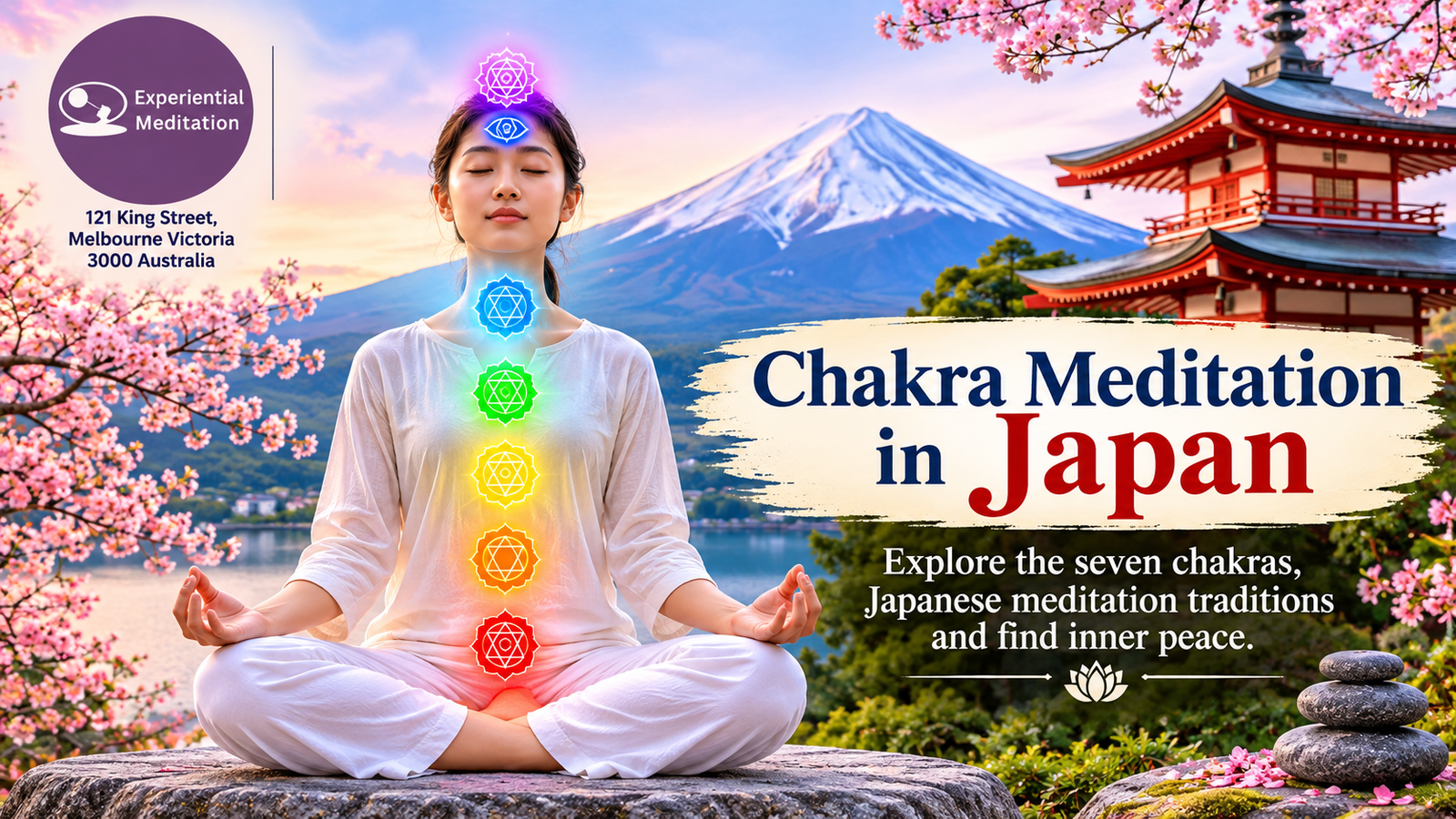
Chakra Meditation in Japan: A Complete Guide
Chakra Meditation in Japan: Discover Energy Balance and Inner Peace
In today’s fast-moving world, finding time for inner peace and emotional balance has become increasingly important. People are exploring different meditation techniques to understand themselves better, manage daily stress and develop a healthier connection between the mind and body. Among these techniques, chakra meditation has gained attention for its focus on energy awareness, self-reflection and personal growth.
Chakra Meditation in Japan offers an interesting way to explore this ancient Indian meditation concept alongside Japan’s rich spiritual and meditation culture. Japan is widely recognised for its Zen traditions, peaceful temples, mindful living and centuries-old Buddhist practices. Although chakra meditation did not originate in Japan, its principles can be explored alongside Japanese approaches to meditation and self-awareness.
From traditional Buddhist temples to modern wellness centres, Japan provides an inspiring environment for people interested in meditation and spiritual development. Whether you are a beginner or someone who already meditates regularly, learning about chakra meditation can introduce you to a different approach to understanding your inner world.
In this guide, we will explore the meaning of chakra meditation, its connection with Japanese spiritual traditions, the seven chakras, meditation techniques and practical ways to incorporate this practice into everyday life.
What Is Chakra Meditation?
Chakra meditation is a meditation technique based on the traditional concept of seven energy centres within the human body. The word “chakra” comes from Sanskrit and means “wheel”. In traditional Indian spiritual systems, chakras are understood as centres associated with different aspects of physical awareness, emotions and spiritual development.
Each chakra is traditionally connected with a particular location in the body, colour, symbolic meaning and area of personal experience.
The purpose of chakra meditation is to develop awareness of these energy centres through breathing, visualisation, concentration and relaxation. Practitioners often focus on one chakra at a time, using meditation to explore their emotional experiences and develop a greater sense of balance.
Unlike ordinary relaxation techniques, chakra meditation includes a symbolic and spiritual understanding of the relationship between the mind and body.
Many people explore this practice to develop self-awareness, improve concentration and create a peaceful daily routine.
Understanding Chakra Meditation in Japan
Japan has a long history of meditation, spiritual exploration and contemplative traditions. Zen Buddhism, Shingon Buddhism and Tendai Buddhism have all contributed to the country’s diverse meditation culture.
However, it is important to understand that the traditional seven-chakra system comes from Indian religious and spiritual traditions rather than Japanese Zen Buddhism.
The connection becomes interesting when we explore how different cultures approach inner awareness and meditation.
Japanese Zen meditation, particularly Zazen, focuses on sitting quietly, observing thoughts and returning attention to the present moment. Chakra meditation, on the other hand, often involves focusing attention on specific energy centres through breathing and visualisation.
Japanese esoteric Buddhist traditions, particularly Shingon and Tendai, also have historical connections with Indian tantric Buddhist teachings transmitted through China. These traditions use practices such as mantras, symbolic hand gestures and visualisation. However, they should not automatically be treated as identical to the modern seven-chakra meditation system.
This cultural connection makes Chakra Meditation in Japan an interesting subject for people who want to explore meditation from different spiritual perspectives.
By understanding both traditions, practitioners can appreciate their individual histories while discovering techniques that support personal reflection and mindfulness.
The Seven Chakras and Their Meanings
The seven-chakra system is one of the most commonly discussed frameworks in contemporary chakra meditation. Each chakra is associated with a particular area of the body and a symbolic aspect of human experience.
1. Root Chakra (Muladhara)
The root chakra is traditionally located at the base of the spine. It represents stability, security, grounding and a sense of belonging.
In everyday life, people may associate this chakra with feeling safe, developing confidence and maintaining a stable foundation.
During root chakra meditation, practitioners often visualise a red light around the base of the spine. Slow breathing and awareness of the body’s connection with the ground can help create a calming meditation experience.
2. Sacral Chakra (Svadhisthana)
The sacral chakra is traditionally associated with the lower abdomen. It represents creativity, emotional awareness, pleasure and personal expression.
This chakra encourages people to understand their emotions and develop a healthier relationship with their feelings.
Meditation often involves visualising an orange light around the lower abdomen while breathing slowly and comfortably.
3. Solar Plexus Chakra (Manipura)
Located around the upper abdomen, the solar plexus chakra is associated with confidence, determination, motivation and personal power.
People who explore this chakra often focus on developing self-belief and understanding their personal strengths.
Yellow visualisation is commonly used during meditation. Practitioners may also reflect on their goals, decisions and personal development.
4. Heart Chakra (Anahata)
The heart chakra is associated with love, compassion, kindness and emotional connection. It is traditionally located in the centre of the chest.
Heart chakra meditation encourages reflection on relationships, forgiveness, gratitude and compassion towards oneself and others.
Many practitioners visualise a green light around the heart area while breathing naturally.
5. Throat Chakra (Vishuddha)
The throat chakra represents communication, honesty and self-expression.
It encourages people to reflect on how they communicate with others and express their thoughts.
Blue visualisation is commonly associated with this chakra. Meditation may involve focusing on breathing, speaking honestly and becoming more aware of personal communication habits.
6. Third Eye Chakra (Ajna)
The third eye chakra is traditionally located between the eyebrows. It is associated with intuition, insight, awareness and clarity of thought.
During meditation, practitioners may gently focus their attention on the space between the eyebrows while visualising an indigo light.
The purpose is to develop concentration and self-reflection rather than expecting supernatural abilities.
7. Crown Chakra (Sahasrara)
The crown chakra is traditionally associated with the top of the head. It represents spiritual awareness, consciousness and a sense of connection with something greater than oneself.
Practitioners often use violet or white visualisation when focusing on this chakra.
Meditation may involve sitting quietly, observing thoughts and reflecting on personal values and spiritual understanding.
Popular Meditation Practices to Explore in Japan
Japan offers several meditation experiences that can complement an individual’s interest in chakra meditation. While these practices have different origins and purposes, they share an emphasis on attention, discipline and inner awareness.
Zen Meditation (Zazen)
Zazen is one of Japan’s best-known meditation practices. It involves sitting quietly in a stable posture and observing thoughts without becoming attached to them.
The practice encourages natural breathing, awareness and concentration.
Many Buddhist temples in Japan offer opportunities for visitors to experience introductory Zen meditation sessions. These experiences can help beginners understand the importance of patience and present-moment awareness.
Shingon Buddhist Meditation
Shingon Buddhism is a Japanese esoteric Buddhist tradition associated with the monk Kūkai, who helped establish the school in the early ninth century.
Its traditional practices include mantras, mudras and visualisation. These methods are part of a structured Buddhist religious system and should not be confused with ordinary chakra meditation.
Nevertheless, people interested in spiritual meditation may find Shingon Buddhism an important part of Japan’s meditation heritage.
Mindfulness Meditation
Mindfulness meditation focuses on paying attention to the present moment without unnecessary judgement.
People can practise mindfulness while sitting, walking, breathing or completing everyday activities.
It can complement chakra meditation by encouraging practitioners to observe their emotions and thoughts with greater awareness.
Breathing Meditation
Breathing meditation is a simple technique suitable for beginners. It involves observing the natural rhythm of inhaling and exhaling.
A few minutes of quiet breathing can provide an opportunity to pause, relax and become more aware of the present moment.
Benefits of Practising Chakra Meditation
Chakra meditation is often explored as part of a broader personal wellness routine. Although chakras are spiritual concepts rather than scientifically established anatomical structures, meditation itself has been studied for its potential effects on stress, attention and emotional wellbeing.
Some commonly reported reasons for practising chakra meditation include:
Better Self-Awareness: Focusing on different chakras can encourage people to reflect on their emotions, thoughts and personal experiences.
Stress Management: Slow breathing and quiet meditation can provide a helpful break from everyday pressures.
Improved Concentration: Regular meditation encourages practitioners to return their attention to a chosen focus whenever their mind wanders.
Emotional Reflection: Chakra-based visualisation provides a structured way to think about feelings, relationships and personal challenges.
Relaxation: Creating a peaceful environment and following a regular meditation routine can support relaxation.
Personal Development: Exploring different chakra themes may encourage individuals to think about confidence, communication, compassion and personal goals.
These experiences vary between individuals. Chakra meditation should be considered a complementary wellness activity rather than a replacement for professional medical or psychological care.
How to Practise Chakra Meditation: A Beginner's Guide
You do not need expensive equipment or an elaborate meditation room to begin. Chakra meditation can be practised at home, in a quiet outdoor space or in a peaceful meditation centre.
Follow these simple steps to get started.
Step 1: Find a Quiet Place
Choose a comfortable location where you can sit without frequent interruptions. A quiet room with soft lighting can create a relaxing atmosphere.
Step 2: Sit Comfortably
Sit on a meditation cushion or chair. Keep your back comfortably straight and relax your shoulders. There is no need to force yourself into a difficult sitting position.
Step 3: Focus on Your Breathing
Close your eyes gently and notice your natural breathing pattern. Take a few slow breaths and allow your body to settle.
Step 4: Begin with the Root Chakra
Bring your attention towards the base of your spine. Imagine a warm red light in that area and reflect on feelings of stability and security.
Step 5: Move Through the Seven Chakras
Gradually bring your attention to the sacral, solar plexus, heart, throat, third eye and crown chakras. Spend a short time reflecting on the traditional meaning of each one.
Step 6: Return to Your Natural Breathing
After exploring the chakras, release the visualisations and focus on your breathing again. Allow yourself to sit quietly for a few moments.
Step 7: Finish Slowly
Open your eyes gently and notice how you feel. You can write down any thoughts or reflections that came to mind during the session.
Beginners can start with five to ten minutes and gradually increase their meditation time as they become comfortable.
Chakra Meditation and Japanese Culture: Finding a Meaningful Connection
One of the most interesting aspects of exploring meditation in Japan is the country’s relationship with simplicity, discipline and mindful living.
Japanese culture includes several practices that encourage people to slow down and appreciate ordinary experiences.
For example, traditional tea ceremonies involve careful attention to preparation, movement and the experience of sharing tea. Japanese gardens also create spaces for quiet observation and appreciation of nature.
These cultural experiences are not chakra meditation techniques themselves. However, they offer an opportunity to understand how mindfulness and awareness can become part of everyday life.
A person interested in chakra meditation can take inspiration from these approaches by creating a peaceful environment, practising regularly and paying attention to small details.
This combination of personal reflection and mindful living can make meditation more meaningful.
Where Can You Experience Meditation in Japan?
Japan has several destinations known for their Buddhist history, temples and meditation experiences.
Kyoto: Kyoto is home to numerous Buddhist temples and traditional gardens. Visitors interested in Zen meditation can explore introductory experiences at selected temples.
Mount Koya (Koyasan): This important centre of Shingon Buddhism is known for its religious heritage and temple lodging experiences. It provides an opportunity to learn about Japanese esoteric Buddhist traditions.
Kamakura: Kamakura is famous for its historical temples and Zen Buddhist heritage. It is an appealing destination for people interested in Japanese meditation and spiritual history.
Mount Hiei: Associated with the Tendai Buddhist tradition, Mount Hiei has played an important role in Japanese religious history.
These locations are particularly relevant to understanding Japanese Buddhist meditation. Visitors interested specifically in chakra meditation should check whether a provider offers an actual chakra-based programme rather than assuming that traditional temple sessions include it.
Tips for Making Chakra Meditation a Daily Habit
Consistency is more valuable than trying to complete long meditation sessions occasionally.
Start with a realistic routine that fits your daily schedule. Even five minutes of quiet meditation can provide an opportunity to pause and reconnect with yourself.
Choose a regular time, such as early morning or before going to bed. Keep your meditation space comfortable and avoid unnecessary distractions.
Do not worry if your mind wanders during meditation. This is a normal experience. Simply notice the distraction and gently return your attention to your breathing or chosen chakra.
You can also combine chakra meditation with mindfulness exercises, gentle stretching or journaling.
Most importantly, avoid putting pressure on yourself to experience particular sensations or emotional changes. Meditation is a personal experience, and everyone’s journey is different.
Is Chakra Meditation Suitable for Beginners?
Yes. Chakra meditation can be explored by beginners who are interested in relaxation, self-awareness and spiritual development.
You do not need previous meditation experience to begin. Start with simple breathing exercises and gradually introduce the seven chakra visualisations.
If focusing on all seven chakras feels overwhelming, choose one chakra and spend a few minutes exploring its traditional meaning.
For example, someone interested in developing confidence may choose to reflect on the solar plexus chakra, while someone interested in compassion may explore the heart chakra.
The key is to approach the experience with patience and curiosity rather than expecting immediate results.
Conclusion: Explore Inner Awareness Through Chakra Meditation in Japan
Meditation offers an opportunity to slow down, understand personal experiences and develop a healthier relationship with the present moment. The combination of chakra meditation and Japan’s rich meditation culture provides an interesting perspective on spiritual awareness and mindful living.
Although chakra meditation originates from Indian spiritual traditions, exploring it alongside Japanese Zen and esoteric Buddhist practices can help people appreciate the different ways cultures understand meditation.
Whether you are learning about the seven chakras, exploring breathing techniques or discovering the peaceful atmosphere of Japanese temples, every step can become an opportunity for personal reflection.
Chakra Meditation in Japan is more than an interesting spiritual topic. It provides a starting point for understanding different meditation traditions and discovering practices that may support a more mindful lifestyle.
With patience, consistency and an open mind, you can make meditation a meaningful part of your everyday routine.
Frequently Asked Questions (FAQs)
1. What is Chakra Meditation in Japan?
Chakra meditation in Japan refers to exploring the traditional Indian seven-chakra meditation system within the wider context of Japan’s meditation and spiritual culture. It can be practised independently or alongside other mindfulness techniques.
2. Does chakra meditation originate in Japan?
No. The chakra system has its roots in Indian religious and tantric traditions. Japan has its own Buddhist meditation traditions, including Zen, Shingon and Tendai.
3. Can beginners practise chakra meditation?
Yes. Beginners can start with simple breathing exercises and gradually explore the seven chakras through visualisation and self-reflection.
4. How long should I practise chakra meditation?
Beginners can start with five to ten minutes daily. As they become more comfortable, they may gradually extend their sessions to 15 or 20 minutes.
5. What are the seven chakras?
The seven commonly discussed chakras are the root, sacral, solar plexus, heart, throat, third eye and crown chakras. Each represents a different symbolic aspect of human experience.
6. What is the difference between chakra meditation and Zen meditation?
Chakra meditation generally involves focusing on seven symbolic energy centres through visualisation and reflection. Zen meditation, particularly Zazen, focuses on seated meditation, natural breathing and awareness of the present moment.
7. Can chakra meditation help reduce stress?
Meditation and slow breathing may support relaxation and stress management. However, the specific idea of balancing chakras has not been established as a scientifically proven medical treatment.
8. Where can I experience meditation in Japan?
Kyoto, Kamakura, Mount Koya and Mount Hiei are notable destinations for exploring Japanese Buddhist history and meditation traditions. Specific chakra meditation classes should be checked with individual wellness providers.